
- News
- A holistic approach to effectively managing your economic life
This story is from March 29, 2021
A holistic approach to effectively managing your economic life

Let’s address that question in this article, and equip you with some steps you can take to ensure your financial wellbeing.
Financial wellness is like a fitness plan to improve your relationship with money.
Sure, we all have money problems now and again. Just like eating healthily and exercising makes us feel good in our bodies, positive money habits help us feel financially well. In simple terms, financial wellness encompasses all of the areas of your life financially.

It’s about knowing how much we have to spend, making wise financial decisions, and being aware of upcoming bills and debts to pay. And while all of us would love to have millions more in the bank, good money management involves making the most of what we already have. Alas, we aren’t taught financial wellness at school, and so not everyone understands the impact of creating positive money habits.
The way we manage our finances has a drip-down effect on our lifestyle and stress-level.
As per Money Habitudes, 65% of women and 52% of men said that financial matters cause them the most stress. On average, workers spend three hours per week and one sick day per year to deal with economic issues. This stress can stem from a lot of reasons, like struggling to pay bills or budget. Furthermore, poor mental health can make money management harder, while worrying about money can make mental health worse. It’s a vicious cycle that can be broken with the help of the following financial wellness mantras:
Spending wisely and within your means: To become financially secure, we must sit down at the beginning of the month, analyze our income, and plan our expenditures accordingly. We should evaluate where we are in terms of spending and budgeting several times during the month and make necessary adjustments. This kind of saving and budgeting is intelligent financial management and gives us a sense of control over our finances.

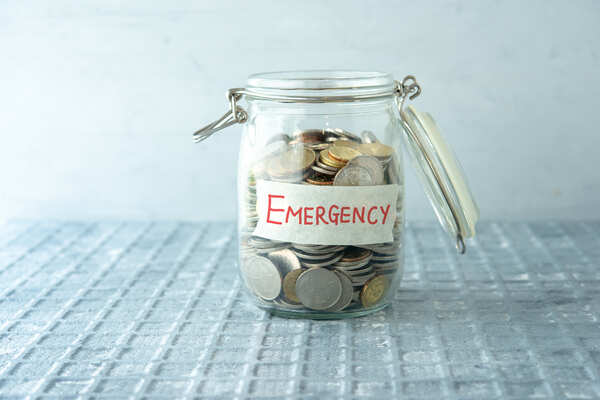
Having an emergency fund: However much we may hate life’s curveballs, we cannot escape them. A surprise car repair bill or a medical emergency can throw our budget off-kilter. That’s where an emergency savings fund comes to the rescue. The current pandemic and its medical and financial side effects have shown us the importance of a contingency fund. We must reserve at least 3-6 months of our income to ensure that our budget floats through unforeseen expenses and we don’t have to use our credit cards to cover emergencies.
Having a financial plan for the future: Whatever age you’ve decided to retire at, it’s neither too early nor too late to start putting money aside for retirement years. It is best to begin in the early earning years. But even if you were short of funds then, you may start now. It doesn’t matter how slight the amount we can set aside; it can be increased as our income grows.

Get the insurance you need: Everyone tells us how we should invest in a good health insurance plan, but nobody tells us that disability insurance should also be added to the portfolio. Along with that, life insurance's role in providing for your survivors cannot be stressed enough.

Practice money mindfulness: It is a habit that helps us become more aware of how we spend, save, and invest. When we are aware, we have more freedom to manage money masterfully, without giving into impulses. Money mindfulness won’t make money magically appear in our bank account or wipe out a personal loan. Still, it has far-reaching benefits like reducing stress, boosting self-awareness, and improving focus and decision-making.
Financial wellness programs in the workplace
Just because financial wellness is personal doesn't mean it's purely an individual effort. The topic of financial health has become so crucial that employers are stepping up to offer financial wellness programs in the workplace. Get Well-thy India presented by ICICI Lombard in association with The Times of India, is an initiative that allows you to find out your current Wellness score so that you can start your journey to attaining actual wellbeing right away. Because Well-th is real Wealth! If you wish to determine your financial wellness level, you could self-evaluate and educate yourself about it.
Disclaimer: This article has been produced on behalf of ICICI Lombard by Times Internet’s Spotlight team.
End of Article
FOLLOW US ON SOCIAL MEDIA
TOP TRENDING
Popular Categories
Hot on the Web
Top Trends
Stock Market TodayBasit AliBrittany MahomesRavichandran AshwinBabar AzamKanpur Test Match RecordsUGC NET Result 2024Tirupati LadduIndia T20 WC SchedulePPF CalculatorBryonna Burrows Net WorthWomen T20 World Cup Points TableWomen T20 World Cup ScheduleIND vs PAK T20 WC MatchDiddyTop Management Colleges of IndiaLive Cricket Score
Trending Topics
GovindaNavratri Colours 2024Solar Eclipse 2024 TimesNavratri WishesGandhi Jayanti WishesDevara CollectionGOAT OTT ReleaseGandhi Jayanti 2024Rajinikanth Health UpdateNavratri HistoryDevaraGovinda NewsDevara Movie ReviewHealthy RaitasSwatantrya Veer SavarkarColdplay India tour 2025Upcoming Smartphones In OctoberAmazon SaleSony Bravia 55 inch 4k Ultra HD TVWordle Answer
Living and entertainment
Latest News
Zodiac Signs as Romantic Movie CouplesJapanese artist’s tribute to Indian classical dance formAnanya Panday unveils her Amol Palekar-inspired look in quirky BTS PICS from 'CTRL’Sanjay Dutt celebrates 'Gandhigiri', shares a scene from 'Lage Raho Munna Bhai'Women's T20 World Cup 2024: Teams, format, venues, defending champions and more FAQs answeredGovinda's bullet injury: Mumbai police not convinced with actor's version but rule out foul playGovt proposes to bring motorcycles under ‘contract carriage’ by amending MV ActHaircuts and colours to try out this PujoTriptii Dimri denies skipping the Jaipur event after allegations of charging an appearance feeMaharashtra assembly polls: Deputy CM Ajit Pawar meets Union home minster Amit Shah amid Mahayuti tensions over NCP, seat-sharingWatch: Orry channels Aishwarya Rai in a hilarious tribute to Shah Rukh Khan and Amitabh Bachchan starrer 'Mohabbatein'NFL insider reveals Raiders’ asking price for star wide receiver Davante Adams amid trade speculationFormer WWE Champion Jeff Hardy talks about “addiction struggles”Qualifier Yash upsets second seed Manish at Fenesta Open'Scam marathon' under JMM-Congress-RJD rule 'biggest obstacle' to Jharkhand's development: PM ModiPopulation of Hindus & tribals declining in Jharkhand, says PM ModiWHO chief praises PM Modi on 10th anivarsary of Swachh Bharat missionNasa switches off instrument on Voyager 2 spacecraft to save power
Copyright © 2024 Bennett, Coleman & Co. Ltd. All rights reserved. For reprint rights: Times Syndication Service